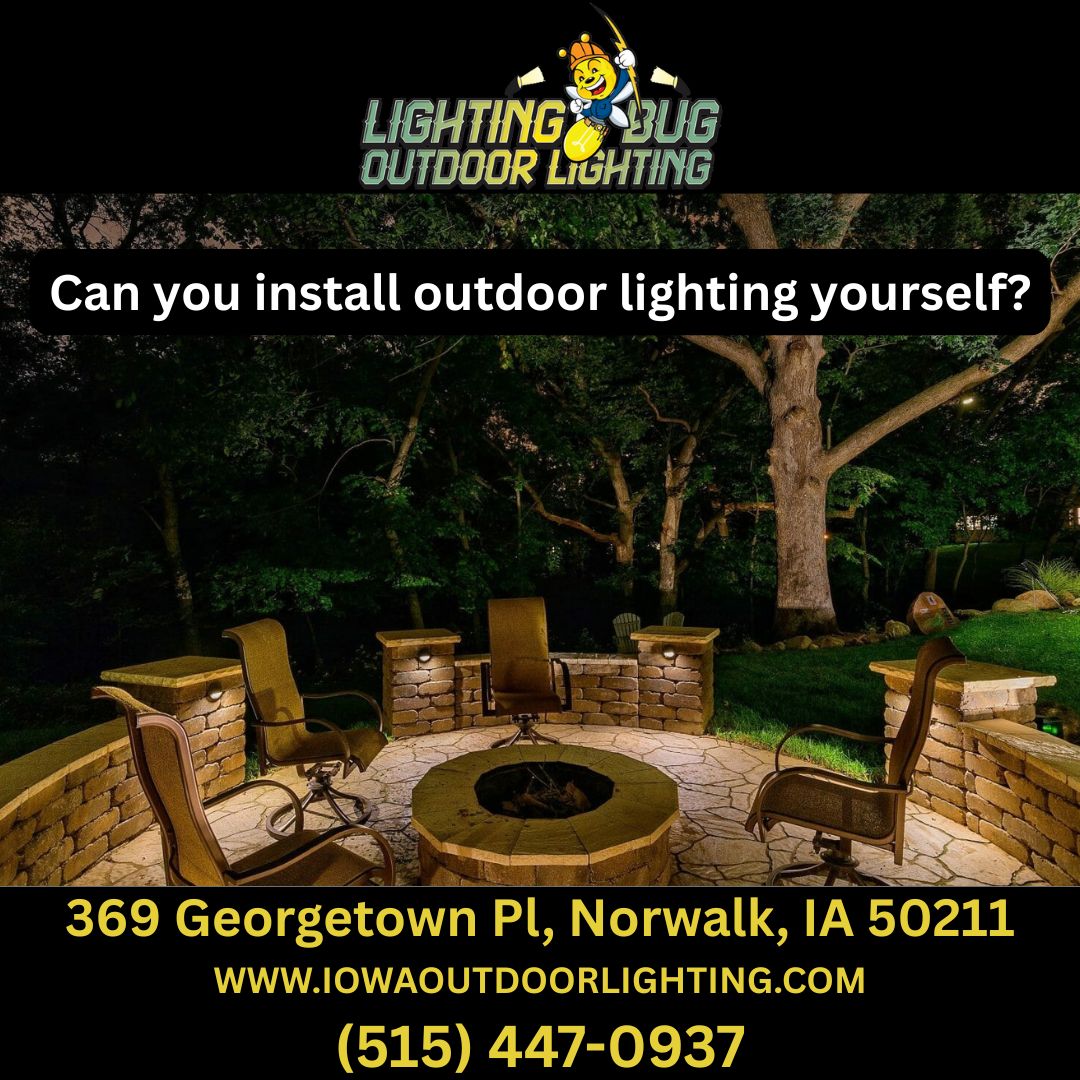
The Quick Answer: DIY Outdoor Lighting—Is It a Good Idea?
When DIY Outdoor Lighting Makes Sense
- Simple plug-in landscape lights or path lights that do not require wiring.
- Pre-assembled low-voltage lighting kits designed for beginner-friendly installation.
- Projects where you have prior experience with basic electrical work.
- Temporary lighting setups for seasonal or special occasions.
- Decorative accent lighting that connects to existing exterior outlets.
Situations Where Professional Help Is Recommended
- Hardwired lighting systems that require connection to your home’s electrical panel.
- Complex outdoor lighting designs with multiple zones or circuits.
- Projects needing trenching, underground wiring, or conduit installation.
- Ensuring compliance with local electrical codes and safety standards.
- When long-term durability and professional aesthetics are important.
What to Consider Before Installing Outdoor Lighting on Your Own
Understanding the Type of Outdoor Lighting You Want
Low-Voltage Lighting
Low-voltage lighting systems operate on 12 volts and are commonly used for pathways, garden beds, and accent lighting. These systems are generally safe for DIY installation because they reduce the risk of electrical shock. They often come in kits with step-by-step instructions, making them a popular choice for homeowners seeking a manageable project.
Hardwired Electrical Lighting
Hardwired lighting connects directly to your home’s electrical supply and may require installation of junction boxes, running conduit, or even upgrading your electrical panel. These projects typically exceed the average homeowner’s skill set and may require a licensed electrician to ensure the installation is safe and code compliant.
Evaluating Your Electrical Knowledge and Tools
Before taking on an outdoor lighting project, honestly assess your comfort level with electrical work. Installing fixtures, making secure wire connections, and testing voltage require a clear understanding of electrical safety. You’ll also need appropriate tools like wire strippers, voltage testers, conduit benders, and weatherproof connectors.
Local Codes, Permits, and Safety Requirements
Electrical work must comply with local codes, which are designed to ensure safety and functionality. Projects involving permanent lighting installations may require permits and inspections. Understanding these regulations before starting a project is critical to avoid potential fines or having to redo unsafe work. Safety should always be your top priority.
Common Mistakes Homeowners Make with DIY Outdoor Lighting
Poor Placement and Over-illumination
One common mistake is placing too many lights or positioning them poorly, resulting in glare or uneven lighting. Proper outdoor lighting design should enhance your home’s appearance and provide practical illumination without overwhelming the space.
Improper Wiring or Connections
Loose connections, exposed wires, or using non-weatherproof materials can lead to short circuits, outages, or even fires. Always use weather-rated fixtures and connectors designed for outdoor use, and double-check every connection for safety and durability.
Not Using Weatherproof Materials
Outdoor lighting fixtures, wires, and connections must withstand exposure to rain, snow, and temperature changes. Failing to use weatherproof equipment can cause premature failure and increase maintenance issues. Choose materials designed for the Iowa climate, known for its varying weather conditions.
Benefits of Hiring a Professional Outdoor Lighting Installer
Expertise and Design Guidance
Professionals bring design experience that ensures your lighting complements your home’s architecture and landscape. They can recommend fixture types, placement strategies, and lighting techniques that achieve the best aesthetic and functional results.
Safe and Code-Compliant Installation
A licensed outdoor lighting installer understands electrical codes and ensures your project meets all safety requirements. They also know how to manage complex wiring, protect against power surges, and prevent hazards that could arise from DIY mistakes.
Long-Term Reliability and Maintenance
Professional installation often includes warranties and access to maintenance services. This means your lighting system is more likely to perform reliably for years, with proper care and quick resolution of any issues that may arise over time.
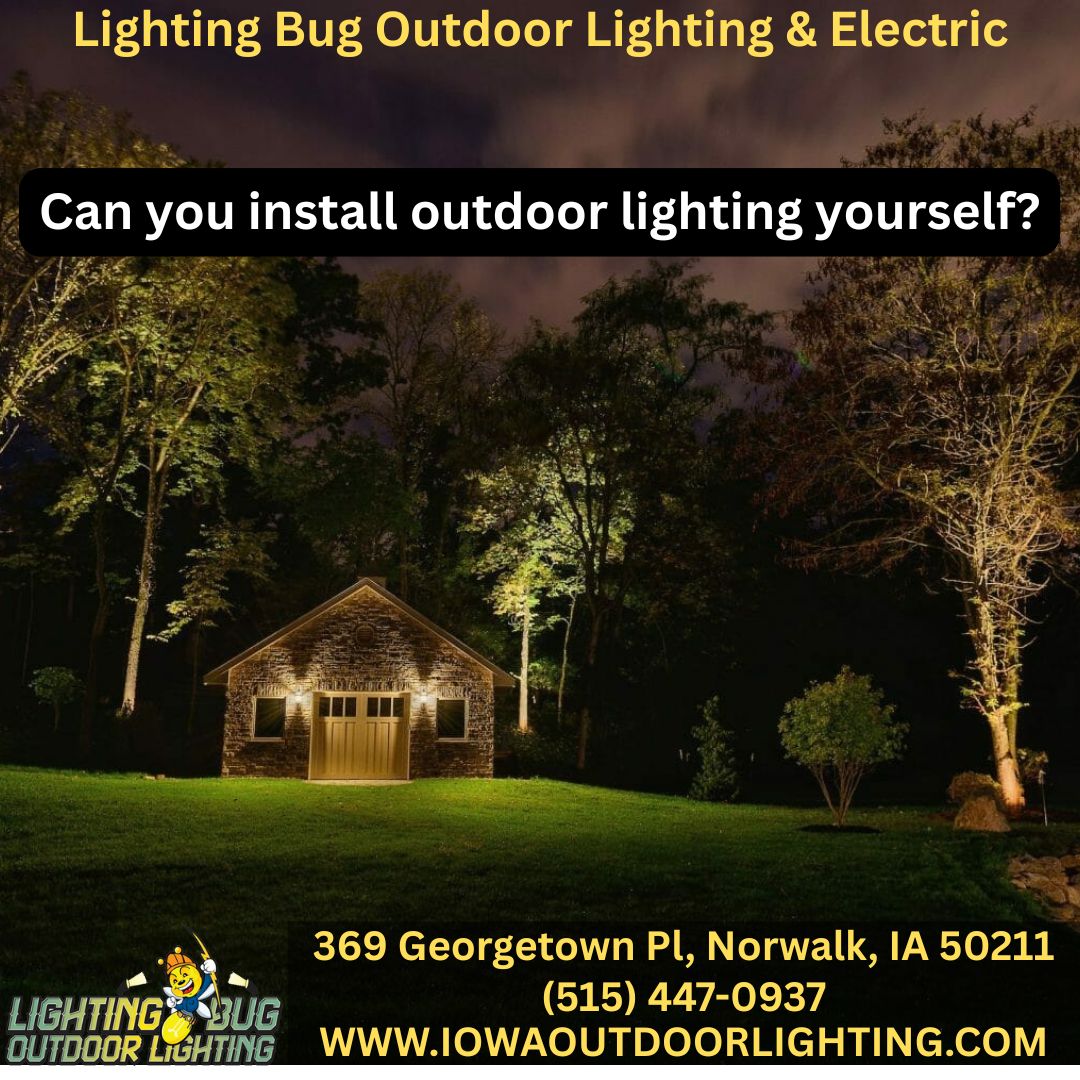
DIY vs. Professional Installation: Key Considerations
| Factor | DIY Installation | Professional Installation |
|---|---|---|
| Project Complexity | Suitable for simple setups | Handles complex, multi-zone systems |
| Electrical Safety | Requires personal knowledge of wiring | Performed by licensed experts |
| Design Expertise | Limited to homeowner’s skill | Customized professional designs |
| Compliance with Codes | Homeowner’s responsibility | Ensured by professionals |
| Long-Term Performance | May require frequent adjustments | Optimized for durability and reliability |
Final Thoughts: Should You DIY or Call a Pro?
Deciding whether to install outdoor lighting yourself comes down to your project’s complexity, your experience with electrical work, and your confidence in meeting safety standards. For simple, low-voltage accent lighting, a DIY approach can work if you’re careful and well-prepared. However, for hardwired systems, intricate designs, or when you want lasting results with professional craftsmanship, hiring a qualified outdoor lighting expert is the smarter choice.
Lighting Bug Outdoor Lighting & Electric has the expertise to deliver safe, beautiful, and durable outdoor lighting solutions tailored to Iowa homeowners. If you want to avoid the risks of DIY mistakes and enjoy a worry-free installation, reach out to the professionals who understand the local environment and lighting needs. Explore more at Lighting Bug Outdoor Lighting & Electric and discover how expert-installed lighting can transform your outdoor spaces.