
Outdoor lighting enhances the safety, beauty, and functionality of any property. While some simple installations are DIY-friendly, many setups require the skill and knowledge of a licensed electrician. In Norwalk Iowa, hiring a professional ensures your system is installed safely, efficiently, and up to modern standards.
Understanding the Role of Outdoor Lighting
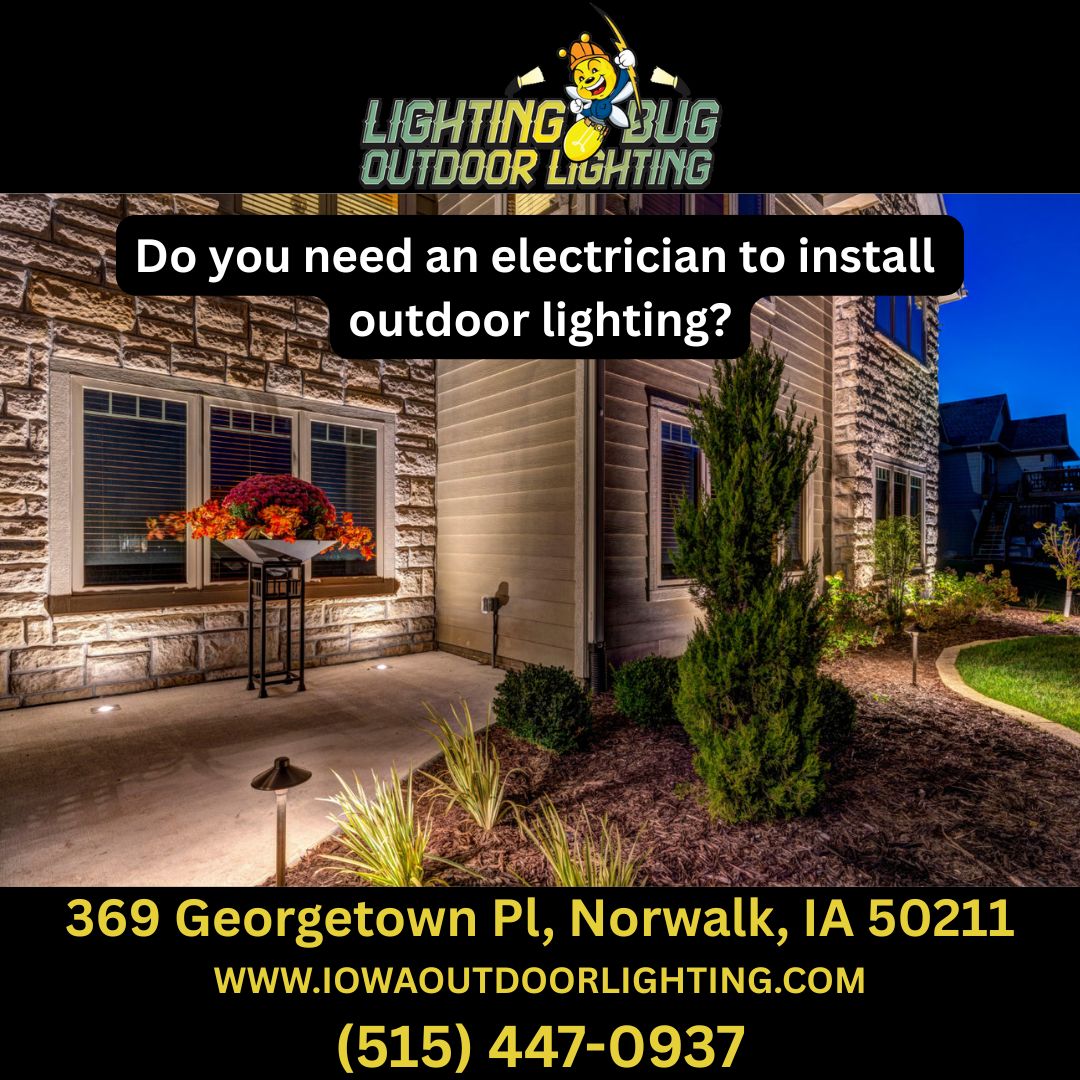
Outdoor lighting serves a variety of purposes—from security and visibility to aesthetic appeal. Well-placed lighting improves curb appeal, deters intruders, and makes outdoor spaces usable after dark. Common types include:
- Pathway and garden lights
- Wall-mounted porch or patio lights
- Floodlights and motion detectors
- Accent lighting for landscaping or architectural features
Each type serves a specific function and may vary in complexity, especially when integrated into a broader system with multiple zones, switches, and timers.
DIY vs. Professional Installation
Some homeowners are tempted to install outdoor lighting on their own, especially when replacing existing fixtures. While this might be feasible in certain cases, it’s important to evaluate the complexity of the project.
When DIY Installation Might Be Safe
You may be able to handle installation yourself if:
- You’re replacing an old fixture with a new one on the same wiring.
- The lighting is plug-in, like string lights or a portable floodlight.
- You have basic knowledge of electrical safety (e.g., shutting off breakers, using a voltage tester).
However, even these scenarios carry risks if done incorrectly.
Why Hiring an Electrician is Often Necessary
Most outdoor lighting projects involve more than simply attaching a fixture. Electricians bring extensive experience to:
- Run new wiring safely through walls or underground
- Expand circuits or assess panel capacity
- Integrate smart lighting systems or timers
- Ensure weatherproofing and grounding
- Troubleshoot potential hazards before they occur
Improperly installed lighting can lead to flickering, overloads, shock hazards, or premature system failure. This is especially important in Norwalk Iowa, where seasonal weather demands reliable, durable outdoor setups.
Signs Your Project Requires an Electrician
Knowing when to seek professional help is critical. Consider calling an electrician if your project involves:
1. New Wiring Installation
Running new lines for a lighting system—especially outdoors—requires knowledge of routing, insulation, and protection against elements. Electricians know how to safely bury cables or install conduit in compliance with best practices.
2. Circuit Modifications
Adding outdoor lighting may strain your current electrical setup. An electrician can assess if your panel can handle the load or if new circuits are required to prevent overload.
3. Multiple Fixtures and Controls
If your design includes several zones, dimmers, or remote operation, professional layout and wiring become crucial for smooth operation.
4. Weather-Resistant Fixtures
Outdoor lighting requires waterproof fixtures, grounded boxes, and appropriate cables. Electricians ensure these elements are installed correctly for long-term safety and performance.
Key Benefits of Hiring a Professional
Professional electricians do more than just complete the work—they future-proof your lighting system and enhance overall reliability. Benefits include:
- Precision wiring and placement
- Safe integration with existing electrical systems
- Protection against moisture and corrosion
- Long-lasting fixture performance
- Fewer repairs and maintenance over time
Their training and tools help identify potential issues before they become problems. In the middle of your Norwalk Iowa project, involving a professional can mean the difference between flawless execution and frustrating delays.
Step-by-Step: What to Expect from a Professional Install
- Initial Consultation: The electrician inspects your property, discusses your lighting goals, and offers recommendations on fixture types and placements.
- Layout Planning: They’ll map out wire routes, fixture zones, switch locations, and timing systems to ensure the layout is efficient and safe.
- Power Shut-Off and Prep: Safety first—breakers are shut off, and the workspace is prepped to minimize disruption and mess.
- Wire Installation: Depending on the plan, wiring is installed underground or through walls using conduit or protective casing.
- Fixture Mounting: Weatherproof boxes and mounts are drilled, secured, and leveled for a clean finish.
- System Testing: Once installed, all fixtures are tested for proper function, and the system is checked for balanced loads and safe grounding.
- Walkthrough & Tips: The electrician provides instructions for operation and maintenance, ensuring you’re confident using your new setup.
Lighting Types Best Left to Electricians
Some lighting systems are inherently more complex and should not be attempted without professional help:
- Landscape lighting with low-voltage transformers
- High-mounted floodlights or motion sensors
- Smart systems with mobile controls
- Stair or deck lights integrated into structure
- Pathway lighting with buried wiring
These installations require precise planning, moisture protection, and advanced wiring skills.
Common Risks of Improper Installation
Taking on too much in a DIY project can lead to issues like:
- Flickering or dim lights due to poor connections
- Overloaded circuits that constantly trip
- Exposed wires vulnerable to water and corrosion
- Faulty switches or timers that fail prematurely
- Reduced lifespan of bulbs and fixtures
Each of these problems can be avoided by consulting a qualified professional at the beginning of your project.
Outdoor Lighting Maintenance and Upgrades
Once your outdoor lighting is installed, keeping it in good condition is easy with periodic checks. An electrician can also help with:
- Upgrading to energy-efficient bulbs or fixtures
- Replacing old wiring or switches
- Expanding your system with additional zones
- Troubleshooting intermittent issues or dimming
Final Thoughts: Trust a Professional for Outdoor Lighting
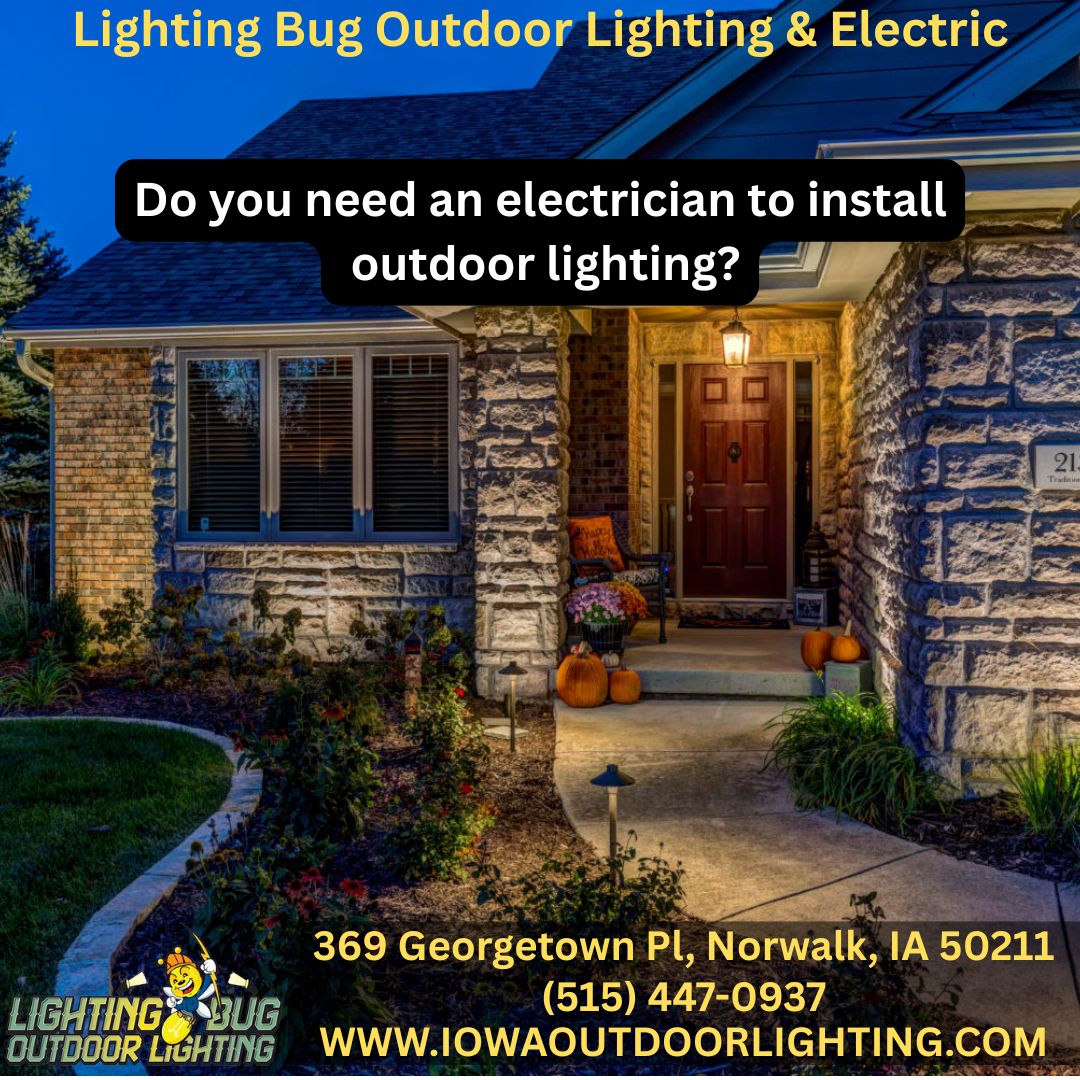
Whether you’re adding security lighting, accenting landscaping, or improving patio visibility, the safest and most reliable way to install outdoor lighting is by working with a qualified electrician. In Norwalk Iowa, homeowners benefit from local professionals who understand environmental factors and system demands.
Avoid the pitfalls of DIY mistakes. A licensed electrician ensures your lighting system is durable, efficient, and built for long-term performance. Don’t risk your safety—start your project the right way by contacting a trusted electrician today.