
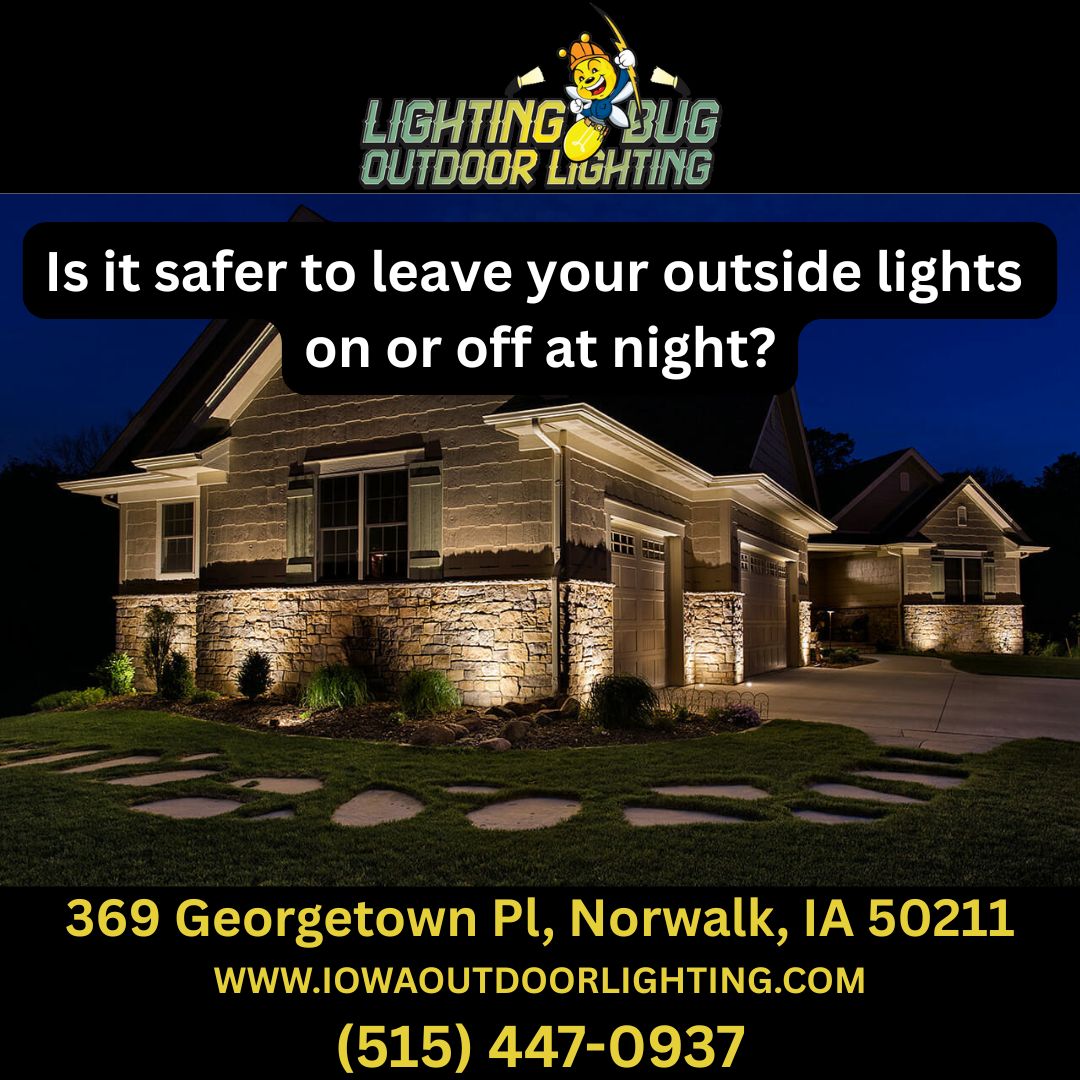
Why Outdoor Lighting Matters for Home Safety
Deterrence Against Crime
Well-lit properties tend to discourage opportunistic intruders. Darkness provides cover, while illumination makes it harder for someone to approach unnoticed. Outdoor lighting is one of the simplest and most visible security measures available to homeowners.
Visibility for Homeowners and Guests
Good lighting improves safety when navigating driveways, walkways, or steps at night. Visitors and delivery drivers also benefit from clear visibility, reducing the risk of accidents on your property.
The Psychological Impact of a Well-Lit Home
A brightly illuminated home often creates a sense of comfort. Many people rest easier knowing their yard and entrances are visible, even from indoors. This feeling of control plays a major role in overall peace of mind.
The Case for Leaving Lights On at Night
Increased Visibility for Security Cameras
Cameras rely on light to capture clear footage. A well-lit entryway or driveway allows security systems to record faces, license plates, and activity more effectively.
Perception of Occupancy (Deterring Opportunistic Intruders)
Consistent lighting suggests someone may be awake or at home, discouraging individuals from attempting unlawful entry. This perception can act as a strong deterrent.
Peace of Mind for Homeowners
Knowing that the exterior is illuminated often helps homeowners feel more secure. This psychological benefit is significant, especially for those in areas where late-night activity is common.
The Downsides of Keeping Lights On All Night
Predictability: Criminals Can Tell When No One Is Home
When lights remain on at all hours, it can signal routine behavior. Intruders may learn that constant lighting means the home is unoccupied overnight, undermining the intended security benefit.
Light Pollution and Neighborhood Concerns
Excessive lighting contributes to light pollution, which can affect neighbors and disrupt natural nighttime environments. Striking a balance ensures safety without disturbing others.
Energy Costs and Environmental Impact
Leaving outdoor lights on continuously increases energy usage, which has both environmental and financial consequences. Even with efficient bulbs, waste can add up over time.
False Sense of Security
Bright lights may make homeowners feel safer, but without other security measures, they only provide a limited level of protection. Relying solely on lighting can create vulnerabilities.
The Case for Turning Lights Off at Night
Darkness Can Conceal Activity (Making Intruders Less Visible)
Some homeowners believe that a dark exterior discourages intruders because it limits what can be seen. Without light, it becomes harder to identify doors, windows, or valuables from outside.
Avoids Highlighting Entry Points for Criminals
Excessive lighting can unintentionally showcase weak points of a property. By turning lights off, homeowners avoid drawing attention to potential access routes.
Preserves Natural Darkness and Sleep Quality
Outdoor light can disrupt sleep if it seeps into bedrooms. Darkness also helps preserve natural circadian rhythms for both people and wildlife in the area.
The Balanced Approach — Smart Lighting Strategies
Motion-Activated Lights
Lights that turn on only when triggered by movement surprise potential intruders and alert homeowners. They conserve energy while providing immediate illumination when needed.
Timers and Smart Bulbs
Programmable lights can mimic occupancy patterns. By switching on and off at strategic times, they create unpredictability that discourages anyone looking for routine behavior.
Combining Outdoor Lighting with Other Security Measures (alarms, cameras, landscaping)
A layered approach is always stronger. Pairing lights with cameras, trimmed landscaping, and alarm systems creates a comprehensive barrier against unwanted activity.
Choosing the Right Light Placement and Brightness
Effective security lighting is not about flooding an entire yard. Instead, homeowners benefit from strategically placed lights at entry points, pathways, and driveways.
| Lighting Strategy | Benefit |
|---|---|
| Motion-Activated Lights | Immediate alert and energy savings |
| Smart Timers | Creates unpredictability and mimics presence |
| Entryway Illumination | Improves camera footage and visitor safety |
| Pathway Lighting | Reduces tripping hazards and improves navigation |
| Combined Security Measures | Enhances overall effectiveness of lighting |
What Experts Recommend
Insights from Law Enforcement
Officers often recommend lighting that is variable and responsive. Lights that activate with motion provide a stronger deterrent than those left on constantly.
Security Company Guidelines
Security professionals typically suggest pairing lights with other tools like alarms or cameras. This ensures that illumination is part of a broader safety plan.
Real-Life Examples from Homeowners
Many residents in Iowa have found that motion lights near garages or backyards are highly effective. They provide instant illumination when activity occurs while keeping energy use low.
Practical Tips for Homeowners
Tailoring Lighting Strategy to Your Neighborhood
Every community is different. Consider factors like traffic, wildlife, and local crime rates when deciding how much lighting is appropriate.
Coordinating with Neighbors
A coordinated lighting plan among neighbors can improve safety for everyone. Sharing strategies and supporting one another reduces blind spots.
Balancing Safety, Cost, and Environmental Impact
The most effective approach blends safety with efficiency. Using a combination of motion sensors, timers, and targeted placement ensures the best results without unnecessary waste.
Conclusion
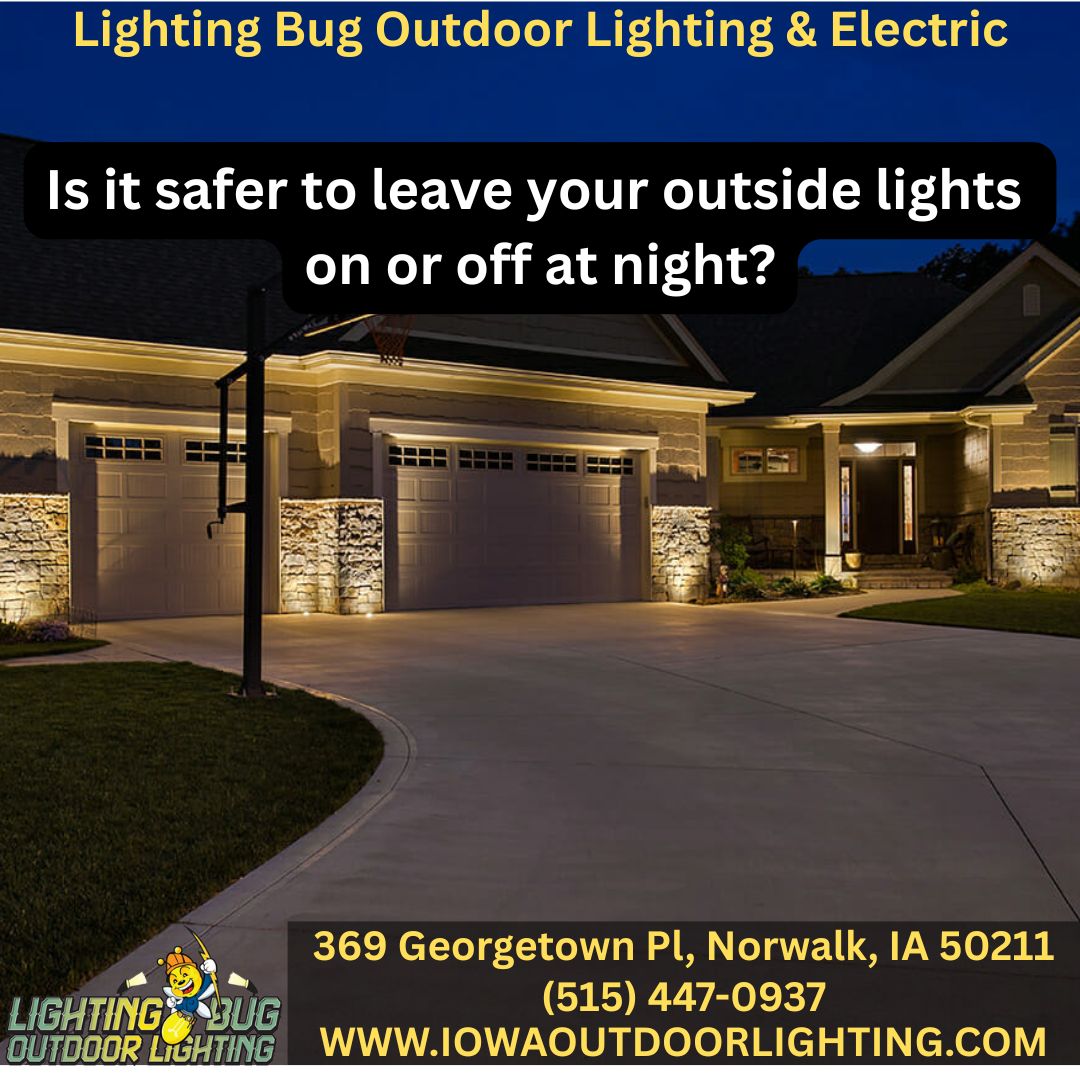
The safest option is rarely a simple choice between leaving outdoor lights on or off. A balanced approach using motion-activated lighting, smart timers, and strategic placement provides strong protection while reducing drawbacks. Thoughtful planning helps homeowners create a secure, efficient, and comfortable environment. For those looking to make the most of their exterior lighting, Lighting Bug Outdoor Lighting & Electric is ready to help with professional insight and reliable service. To learn more, visit https://www.iowaoutdoorlighting.com/.