
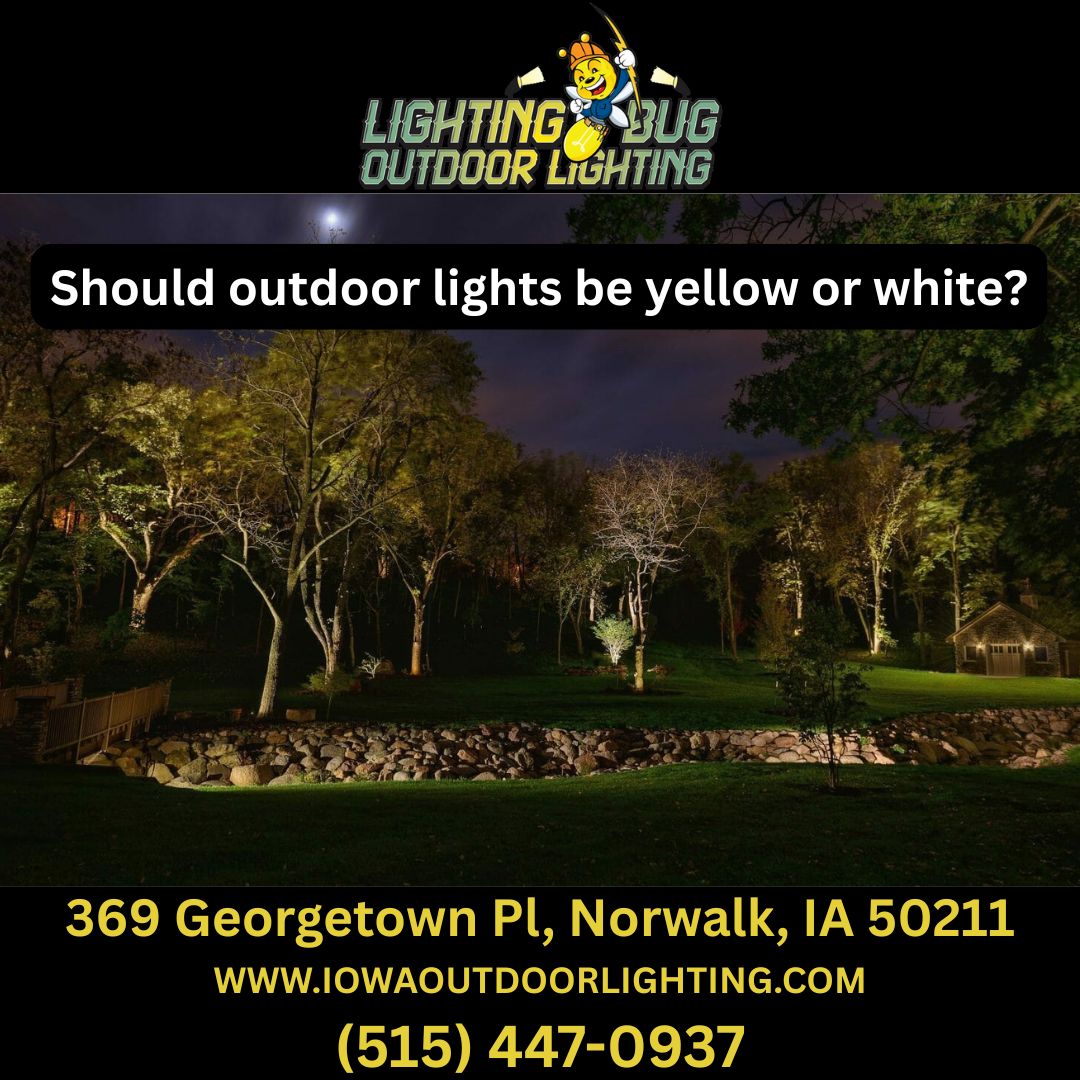
Both can be the right choice, and the best option depends on where the light is installed and what you want the light to do. Yellow light often feels warmer and can be easier on the eyes at night, while white light usually appears brighter and can improve visibility for tasks and security. Homeowners ask this question because light color influences comfort, safety, energy use, and how a property looks after dark. This is especially true for outdoor lighting, where the right choice can balance beauty, visibility, and neighborhood friendliness. Choosing wisely helps your home feel welcoming while still being practical and considerate of neighbors and the natural environment, especially across Iowa where seasons, fog, and wide open spaces can change how light behaves.
Introduction
Why Outdoor Lighting Matters
Outdoor lighting shapes how your home looks and functions once the sun sets. It guides guests, reduces trip hazards, and discourages unwanted activity. It also sets a mood, and that mood comes largely from color temperature and placement. In many Iowa neighborhoods, homeowners want a warm welcome at the front door and clearer light along driveways or work areas. The right approach blends appearance, comfort, and practical coverage.
The Ongoing Debate: Yellow vs. White Light
Some people love the relaxed feel of yellow light. Others prefer the crisp clarity of white light. Each choice has strengths. The debate is not about right or wrong. It is about matching light color to the job at hand. A walkway can benefit from one color while a patio or shop entrance may call for another. That is why experienced designers mix and match color temperatures across a property instead of picking a single note for every fixture.
H2: Understanding Outdoor Lighting Colors
H3: What Do We Mean by “Yellow” and “White” Lights?
Yellow light generally refers to warm color temperatures. These lights look amber or golden, similar to the glow of a campfire or an old style incandescent bulb. White light refers to cooler color temperatures that appear more neutral or slightly blue. These lights resemble bright daylight on a clear morning.
H3: The Science Behind Light Color (Kelvin Scale Explained)
Color temperature is measured on the Kelvin scale. Lower numbers look warmer and more yellow, while higher numbers look cooler and more white. A simple way to think about it is this. Around two thousand seven hundred Kelvin to three thousand Kelvin looks warm and cozy. Around three thousand five hundred to four thousand Kelvin appears neutral white. Above four thousand Kelvin looks cool and sharp. Many homeowners in Iowa favor the warm end for architectural accents and the neutral range for paths and work areas.
H3: How Color Temperature Affects Perception
Color temperature shapes how we perceive depth, texture, and contrast. Warm light softens surfaces and can help stone and wood look rich and natural. Neutral white light sharpens edges and can make details on steps and railings easier to see. When frost, light fog, or blowing snow appear, a warmer source can feel calmer, while a neutral source can help text contrast pop against pale ground cover.
H2: The Case for Yellow Outdoor Lights
H3: Benefits of Yellow Lights
H4: Reduced Glare at Night
Yellow light can feel gentler on the eyes. This is helpful for late evenings when your eyes are sensitive. It also reduces the chance of harsh reflections on wet pavement after a rain or during spring thaw.
H4: Less Disruption to Wildlife
Warm color temperatures are often friendlier to local wildlife. In rural parts of Iowa, residents value outdoor spaces where pollinators, birds, and night time animals can move with minimal disturbance. Warm light can help maintain that balance while still providing needed illumination.
H4: Better for Foggy or Misty Conditions
In light fog, mist, or snow flurries, warm light can cut through haze with a smoother feel. The softer tone can reduce the sparkling effect that sometimes makes bright white sources feel intense in those conditions.
H3: Common Uses of Yellow Lighting (Residential, Rural, Street Lighting)
Warm color works well for porch lights, architectural uplighting on brick or stone, garden beds, and seating areas where you want a relaxed mood. It is also helpful near bedrooms to avoid alerting your brain with cooler tones right before sleep. Along quiet rural roads and drive entries lined with trees, warm light preserves a calmer look while still guiding visitors.
| Yellow Light | White Light |
|---|---|
| Softer on the eyes for late evenings | Sharper contrast for steps and details |
| Enhances natural tones in wood and stone | Helps task areas feel brighter |
| Can be friendlier to wildlife | Useful for cameras and security views |
| Feels calm in light fog or snow | Neutral look for driveways and work zones |
| Great for patios and relaxed seating | Great for garages and side entrances |
- Warm light supports a welcoming curb presence.
- Neutral white can reveal edges and changes in elevation.
- The right brightness matters as much as color temperature.
- Shielded fixtures keep light aimed where it is needed.
- Placement and spacing reduce glare and light trespass.
H2: The Case for White Outdoor Lights
H3: Benefits of White Lights
H4: Brighter and Clearer Visibility
White light is excellent for high visibility. It clarifies stair treads, railings, and uneven surfaces. In Iowa winters, where ice can surprise you, that clarity helps household members and guests walk with confidence.
H4: Enhanced Security and Safety
Neutral white light supports cameras and makes it easier to spot movement. It can cover drive approaches, side doors, and service areas where a clean view is helpful. When paired with thoughtful aiming and shielding, white light does this without shining into neighboring homes.
H4: Aesthetically Modern and Clean Look
White light can match modern exterior finishes and trim colors. It pairs well with metal, glass, and lighter paint schemes. On brick or natural stone it looks crisp. On contemporary siding it provides a neat finish that highlights straight lines.
H3: Where White Lights Work Best (Urban, Commercial, Security Settings)
White light excels where tasks and wayfinding matter. Think of garage doors, workshop patios, storage areas, and drive approaches. It is also appropriate near keypads and walk gates where you want to read numbers, find keys, or align a lock quickly on a winter night.
H2: Factors to Consider Before Choosing
H3: Location and Surroundings
Consider landscaping, nearby homes, and reflective surfaces. A home with mature trees and dark mulch may welcome more neutral white near paths to boost contrast. A home with pale stone and light siding may look best with warm accents to avoid harsh reflections. In open rural settings, aim and shielding matter so light does not spill far beyond the property line.
H3: Purpose of the Lighting (Safety vs. Ambiance)
Start with the job. If the goal is to entertain on a patio, warm light will likely feel comfortable for longer visits. If the goal is to guide vehicles and highlight unfamiliar steps, neutral white can serve better. Many plans use warm accents on the house and planting beds with neutral white on walkways and utility areas.
H3: Energy Efficiency and LED Technology
Modern LED fixtures provide strong output with modest energy use, and they come in a wide range of color temperatures. Look for quality drivers and consistent output across fixtures. Consistency avoids patchy results that mix yellow and blue in a way that feels unplanned.
H3: Impact on Human Sleep and Health
Cooler light late at night can make it harder to wind down. If a bedroom faces an outdoor fixture, consider a warmer lamp or a shield so late night light does not reach the window. Motion controls can help by keeping light off until movement occurs, which keeps outdoor areas dark when not in use.
H2: Expert and Environmental Perspectives
H3: What Lighting Designers Recommend
Professionals treat light as part of the landscape. They view the home as a set of zones. They start with the front approach and main entrance, then move to paths, patios, and work areas. For each zone, they pick a color temperature that matches the job. This approach avoids a one size fits all solution and leads to a balanced plan.
H3: Environmental Concerns and Light Pollution
Thoughtful placement limits glare and keeps light where it belongs. Shielded fixtures, lower mounting heights, and care with brightness all help. Warm color can be gentler on night skies and wildlife. Neutral white, used with shields and careful aiming, still delivers strong results while respecting the neighborhood and the night environment common in many Iowa communities.
H3: The Balance Between Functionality and Sustainability
A great plan considers safety, comfort, and respect for the surrounding environment. That balance comes from the right mix of warm and neutral sources, sensible output levels, and fixtures that direct light only where needed. Timers or motion control can help reduce waste and extend the life of equipment.
H2: Making the Right Choice for Your Home or Business
H3: Questions to Ask Before Deciding
- What do I need this area to do at night, guide, entertain, or secure
- Who uses this space most often, and when
- Are there bedroom windows or neighbors who could be affected by light spill
- What materials am I lighting, such as brick, wood, stone, or siding
- Will snow, fog, or seasonal tree cover change how the light looks
H3: Mixing Yellow and White Lights Strategically
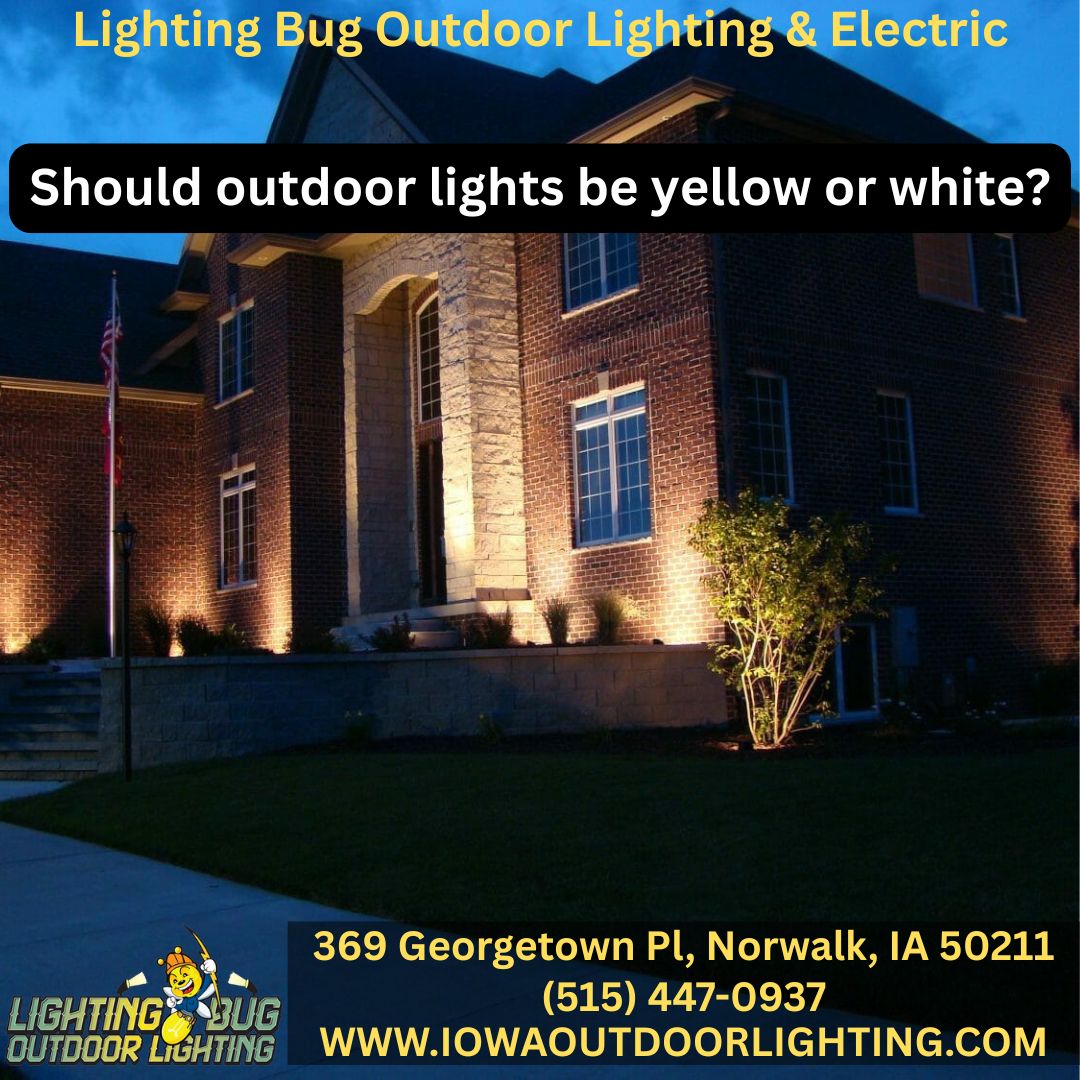
Use warm light to flatter the home and planting beds, then use neutral white to make walkways and steps clear. Keep color temperature consistent within each zone, such as the front path, the garage side, or the back patio. This gives your layout a planned look that feels calm rather than busy.
H3: Future Trends in Outdoor Lighting
Expect continued advances in LED performance and optics, along with better control options. The focus is shifting toward precise beam control that lights the ground and the facade without sending light upward or across property lines. Color temperature options will remain wide, making it easier to match fixtures to each area.
Conclusion
Final Thoughts: Is There a Clear Winner?
There is no single winner. Yellow light creates a warm welcome and supports relaxation. White light delivers clear visibility for tasks and security. The best choice depends on the location, the job, and how you want the space to feel. A blended approach often works best.
Choosing What Fits Your Needs Best
To wrap up, the question of whether outdoor lights should be yellow or white comes down to how you use each area and what you want to see after dark. Thoughtful planning gives you the comfort of warm architectural accents alongside the clarity of neutral path and entry lighting. If you would like guidance tailored to your home and routine, the team at Lighting Bug Outdoor Lighting & Electric is ready to help. You can explore more on their website at iowaoutdoorlighting.com, or reach out to discuss a plan that fits your goals and respects your surroundings.