
Introduction
Outdoor lighting plays an important role in both the safety and appearance of a home. Beyond simply brightening dark areas, it creates curb appeal and adds comfort to outdoor living spaces. From pathways to patios, there are many types of lights available that serve different purposes. Knowing which options are most effective will help you make an informed decision about how to brighten your home’s exterior with confidence.
Types of Outdoor Lighting
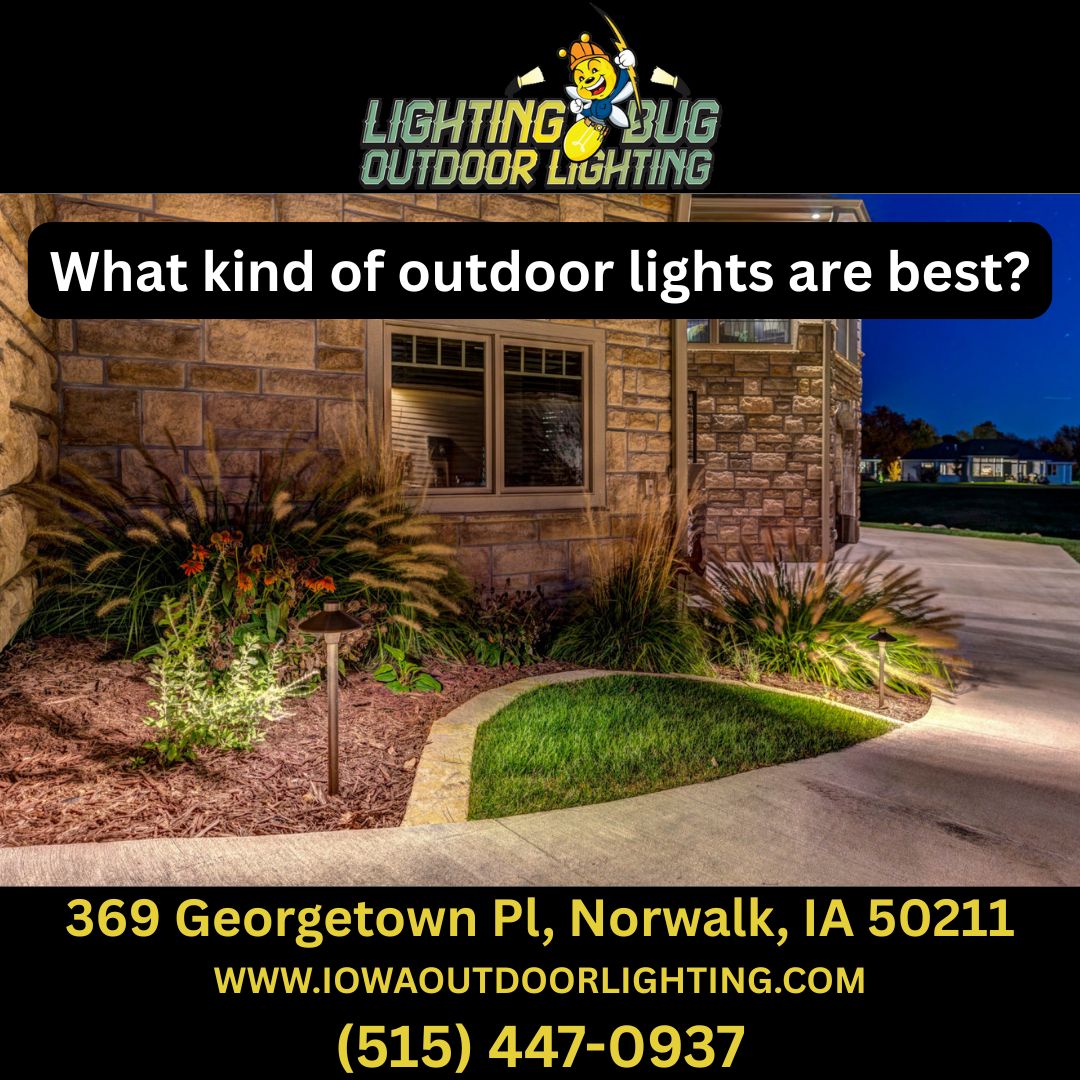
Pathway Lights
Why they’re useful: safety and guidance
Pathway lighting provides direction and prevents accidents by clearly marking sidewalks, garden paths, and driveways. This type of lighting makes it easy for guests and family members to navigate safely at night.
Best options: wired systems
Wired pathway lights deliver consistent performance without being affected by weather fluctuations. They are especially reliable in climates with long winters or overcast conditions, ensuring that walkways remain well lit year-round.
Wall-Mounted Lights
Where to use them: entryways, patios, garage areas
Wall-mounted lights serve as a welcoming feature around entry doors and patios. They also provide functional light near garages and side entrances, areas where visibility is important after dark.
Design choices: lantern-style, modern sconces, motion-activated
Lantern designs offer a timeless look, while sleek sconces fit contemporary homes. Motion-activated wall fixtures add convenience and security by turning on only when movement is detected.
String and Decorative Lights
Perfect for ambiance: patios, pergolas, garden parties
String lights are ideal for creating a cozy and festive atmosphere. They are commonly used to accent pergolas, decks, and outdoor dining areas during warm weather months.
Durability factors: weather resistance, LED vs. incandescent
Durability is key when it comes to decorative lighting. LED string lights last longer and consume less energy compared to traditional incandescent options, making them a practical and reliable choice.
Floodlights and Security Lights
Safety benefits: motion sensors, wide coverage
Floodlights provide strong illumination for large areas, which makes them perfect for boosting safety around the property. Motion sensor models automatically light up when movement is detected, deterring unwanted activity.
Best placements: driveways, backyards, dark corners
Strategically placed floodlights near driveways and backyard corners reduce shadows and increase visibility, creating a safer environment for your family.
Spotlights and Accent Lights
Highlighting features: trees, statues, architecture
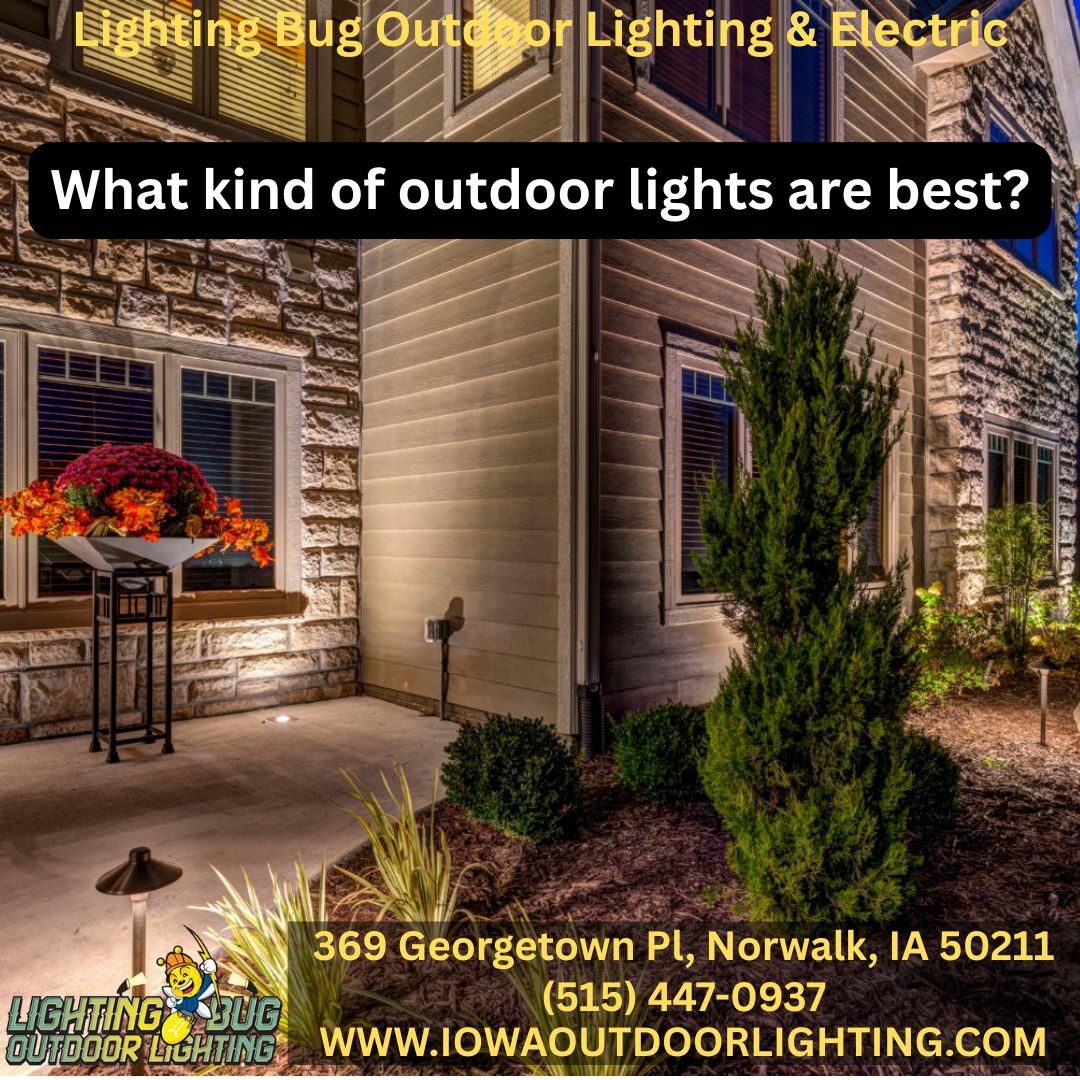
Accent lighting draws attention to unique elements of a landscape. Whether it’s a mature tree, a garden statue, or architectural details, spotlights bring these features to life after dark.
Beam angle and brightness: how to choose
A narrow beam highlights a specific object, while a wider beam spreads light across larger surfaces. Choosing the right angle and brightness depends on what you want to emphasize in your yard.
Choosing the Right Technology
LED Lights
Advantages: energy efficiency, lifespan
LED technology has transformed outdoor lighting with its low energy use and long lifespan. Homeowners can depend on LEDs to deliver consistent performance without frequent bulb replacements.
Design versatility: colors, dimming, smart control
LED fixtures come in a range of colors and brightness levels. Many are compatible with dimming systems and smart home controls, giving you full customization over your outdoor environment.
Smart Outdoor Lighting
Control options: apps, timers, voice assistants
Smart lighting allows you to manage your outdoor fixtures with a phone app, set timers, or use voice commands. This makes it easier to schedule when lights turn on or off for both security and convenience.
Integration ideas: syncing with indoor systems, security setups
When integrated with other systems, smart outdoor lights can coordinate with indoor lights or even work alongside security cameras, adding another layer of safety to your home.
Factors to Consider Before Buying
Weather Resistance and Durability
IP ratings explained: what they mean for outdoor use
Outdoor fixtures should have an IP (Ingress Protection) rating that shows how well they resist dust and water. A higher rating ensures better protection against rain and moisture.
Materials: aluminum, stainless steel, plastic
Durable materials like aluminum and stainless steel resist rust and wear, making them ideal for outdoor use. While plastic is less expensive, it may not hold up as well in harsh weather conditions.
Power Source and Installation
Hardwired vs. battery
Hardwired lighting ensures consistent operation and is often best for long-term solutions. Battery-powered options can work for areas where wiring is difficult but may require frequent maintenance.
Ease of installation: DIY vs. professional
Some fixtures are simple to install, while others require a licensed electrician. Professional installation ensures wiring is safe and the layout maximizes lighting performance.
Style and Aesthetics
Match your home’s architecture
The best lighting choices complement the overall look of your home. For example, rustic lanterns pair well with traditional homes, while sleek sconces suit modern designs.
Balancing function and beauty
Effective outdoor lighting should provide both practical illumination and visual appeal. A layered approach often works best, combining functional and decorative lights for a balanced result.
Table: Key Considerations for Choosing Outdoor Lights
| Factor | Details |
|---|---|
| Safety | Helps prevent accidents by lighting paths, steps, and dark areas |
| Security | Motion sensor lights discourage trespassers and improve visibility |
| Durability | Choose materials and IP ratings designed for weather resistance |
| Energy Use | LED technology provides long-lasting, efficient performance |
| Style | Lights should enhance the home’s architecture and landscaping |
Practical Tips for Placement
Front Yard
Install wall-mounted lights near the front door for safety and style. Pathway lights along sidewalks and driveway edges guide visitors while adding charm to the home’s entrance.
Backyard
Accent lighting near a patio, deck, or pool area creates an inviting space for gatherings. String lights or strategically placed spotlights enhance the atmosphere while providing needed visibility.
Side Areas and Security
Side yards and hidden corners often benefit from floodlights or motion-activated fixtures. Installing lights near garage doors and perimeter areas strengthens overall security and peace of mind.
Conclusion
The best outdoor lights depend on the purpose you want them to serve, whether it’s safety, beauty, or security. Pathway fixtures, wall-mounted designs, string lights, floodlights, and spotlights each play a valuable role in making your property safer and more appealing. By considering durability, technology, and style, you can select options that provide lasting results. If you are ready to explore expert installation and design guidance, the team at Lighting Bug Outdoor Lighting & Electric can help. Visit https://www.iowaoutdoorlighting.com/ to learn more about professional solutions tailored to your home.